Scaffold
ASafe, stable, and the right answer for full re-clads. Also a hoarding permit, a traffic plan, and three weeks of your building wrapped in steel before work starts.
- Setup
- 2–4 wks
- Street impact
- High
- Relative cost
- ×8
So we don't build one. Trade-qualified technicians abseil the facade, find the fault, fix it on the same rope and hand you the photographs. One visit. No street closure. Tenants stay in the building.
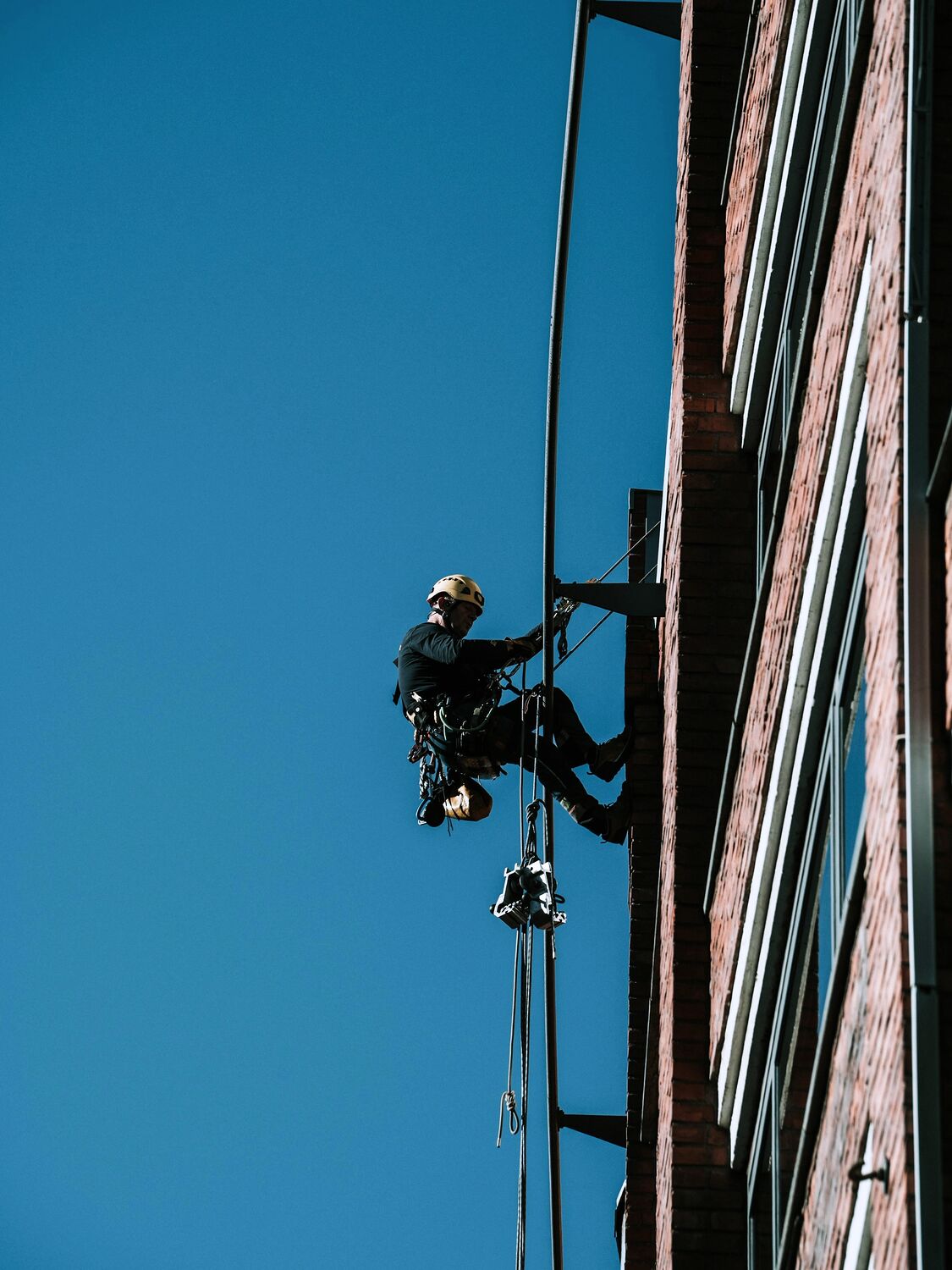
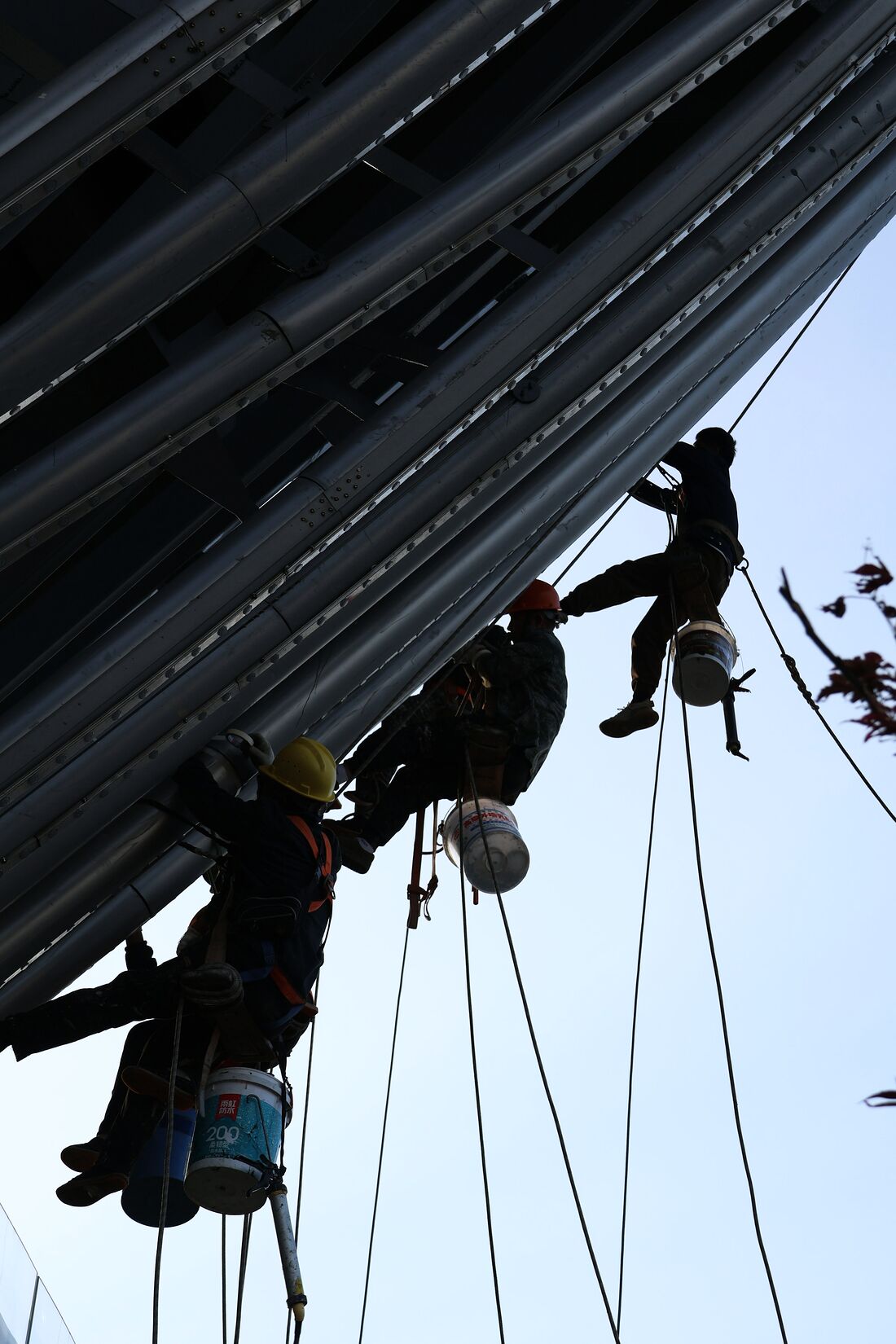
A sealant joint fails on level nine. The repair is four hours of work and a few hundred dollars in materials. The quote comes back at five figures, because before anyone can touch the joint, a scaffold has to go up the side of the building, a footpath has to be hoarded, a traffic management plan has to be lodged, and the whole thing has to come down again three weeks later.
Then the leak comes back next winter, because the crew that erected the scaffold wasn't the crew that diagnosed the fault, and nobody photographed what was actually behind the cladding.
We think that is backwards. The access should be the cheapest part of the job and the diagnosis should be the most careful part. Rope access lets us invert the cost: two technicians, two independently anchored ropes, and the same pair of hands that finds the defect is the pair that repairs it and writes it up.
Every method below is legitimate and we will tell you when one of the others is the right call. This is what the choice actually costs you.
Safe, stable, and the right answer for full re-clads. Also a hoarding permit, a traffic plan, and three weeks of your building wrapped in steel before work starts.
Fast to mobilise and excellent for low-rise. Needs firm level ground, a clear setback and a spotter — which most CBD frontages and podium roofs do not have.
Good for repetitive work across a whole elevation. Needs compliant roof anchors, a rigging crew and a certified davit set — and it moves at the speed of the winch.
Two technicians on two independent lines. On site in the morning, working by mid-morning, gone by knock-off. Nothing left attached to your building.
Full re-clads, structural remediation and anything needing a materials hoist belong on scaffold. We will quote the scaffold job honestly or hand you to someone who does it better — we would rather lose the job than dangle a technician where a platform belongs.
Twenty-two trades, three sectors, one access method. If it sits on a facade, a roof, a tank or a tower, it is on this list.
 01 / City & Commercial
Facade condition audits with photographic defect registers, planned maintenance programmes costed per elevation, and same-day response for water ingress.
 02 / Industrial
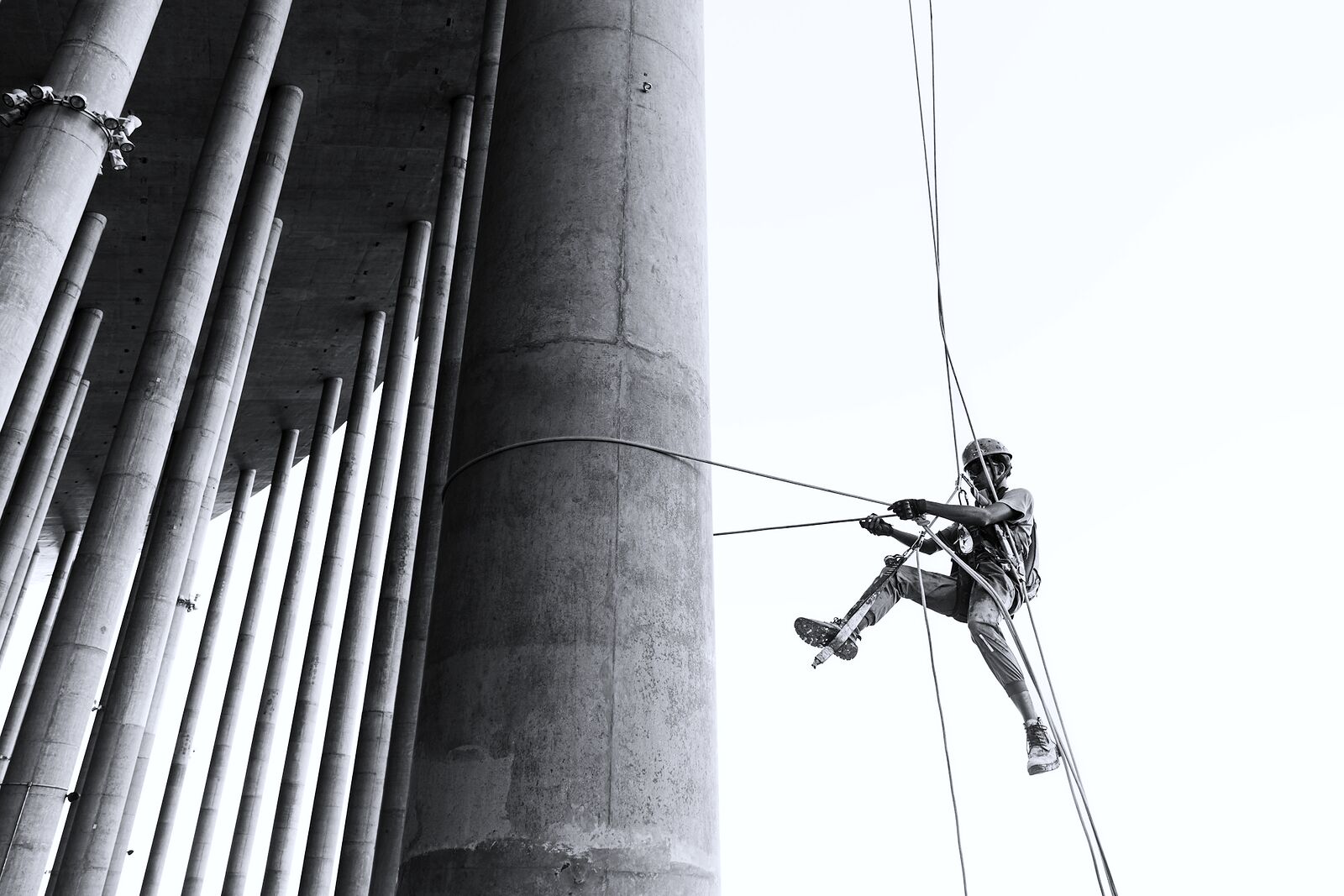
We work to your shutdown window, not ours. Blast, coat and inspect from rope so the asset is back in service in days rather than weeks.
 03 / Residential
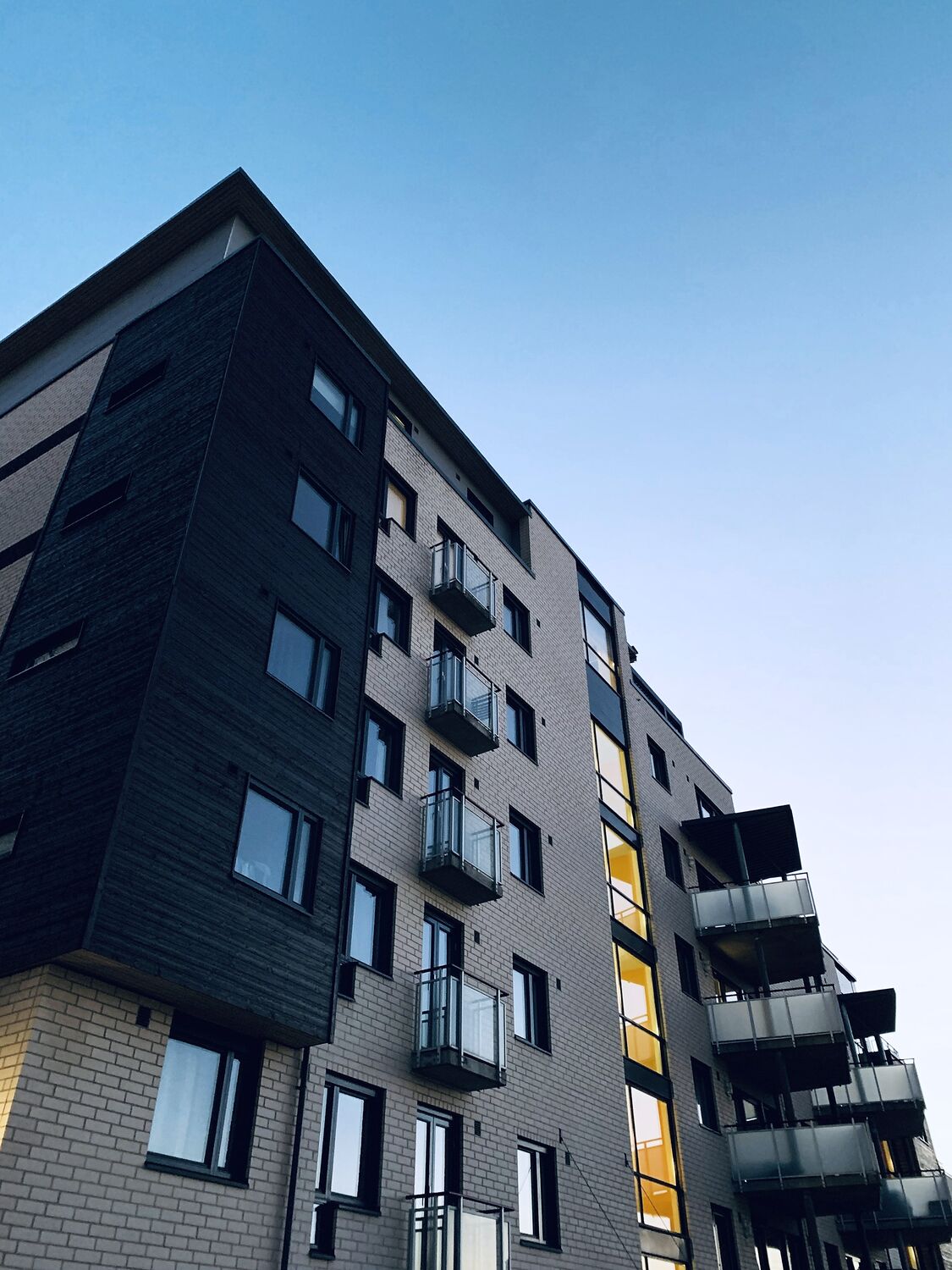
Steep roofs, three-storey walk-ups and the gutter above the pool. If a ladder is the wrong answer, rope is usually the cheap one.
 04 / Make-safe
Loose cladding, a cracked panel, a failed fixing after a storm front. We rig, make safe and photograph the cause — then quote the permanent fix separately.
Years working above Perth — commercial, industrial and residential.
Scaffold days needed on a standard facade repair. The building stays uncovered.
Reportable incidents per 100,000 rope-access hours, industry-wide — the best record of any work-at-height method.*
From site walk-through to a scoped, itemised quote in your inbox.
* Source: IRATA International Work & Safety Analysis 2025, covering 33.6 million reported on-rope hours across 700+ member companies.
A council of owners cannot approve what it cannot see. Every visit ends with dated, geotagged photographs of what we found, what we did, and what we recommend watching. You forward the file. You do not defend it.
Twin-rope working at all times. Every technician on site holds a current rope access certification with a logged hours record.
Anchors, harnesses and lanyards inspected before every descent and formally examined at intervals not exceeding twelve months.
We pull-test the roof anchors we intend to use and give you the results — most strata buildings we attend have no anchor register at all.
A job-specific SWMS and rescue plan lands in your inbox before we arrive — not on a clipboard at the gate.
Every crew carries the equipment and the training to recover a colleague from rope without waiting for emergency services.
Public liability and workers' compensation certificates of currency attached to every quote as standard.
Most companies working at height are access companies. They get a trade up the building and back down again, and the trade turns up in a separate vehicle on a separate day at a separate rate. Two mobilisations, two inductions, and a gap between the person who saw the problem and the person who fixed it.
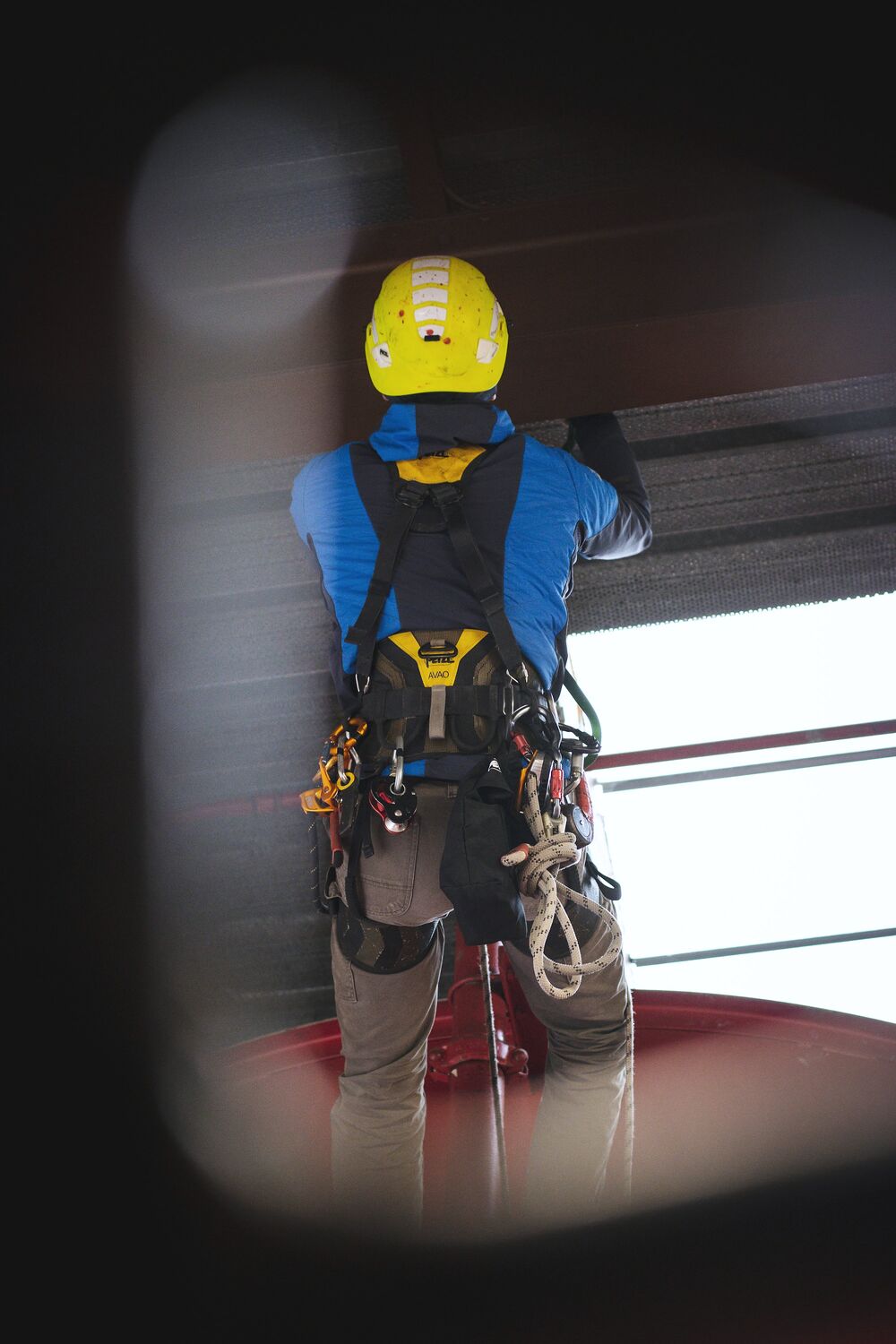
Highrise Maintenance Australia is built the other way round. We hire painters, renderers, sealant applicators, coating inspectors and roof plumbers, and then we train them on rope. The technician hanging outside level nine is the tradesperson doing the work, which is why a defect gets diagnosed and repaired inside the same descent.
Fifteen years of that in Western Australia — CBD curtain wall, Pilbara infrastructure, grain terminals, and a long list of suburban roofs nobody else would quote. We work for strata managers, facilities managers, industrial asset owners and homeowners, and we quote all four the same way: itemised, with the access shown as its own line so you can see exactly what it costs.
The previous contractor patched the same joint three winters running. Highrise spent half a day finding where the water was actually tracking from and the leak has not come back since. The photographs were what convinced the council of owners.
We had a four-day shutdown window and a coating survey that everyone told us needed scaffold. They were on the silo the first morning and off it on day three, with the inspection report attached.
Photographs from the ground are enough to start. We will tell you whether it is a rope job, book a walk-through, and have an itemised quote back to you inside two business days.
We hire technicians of any gender and any background. What we look for is a trade ticket, a clean approach to safety and someone who will say "stop" out loud when something looks wrong. We actively encourage Aboriginal and Torres Strait Islander people to apply.